Fix Your Block Heater
Most "dead" block heaters are a $0–$60 fix — a tripped GFCI, a failed timer, or a cracked cord. Work through these guides in order and you'll usually find it in ten minutes.
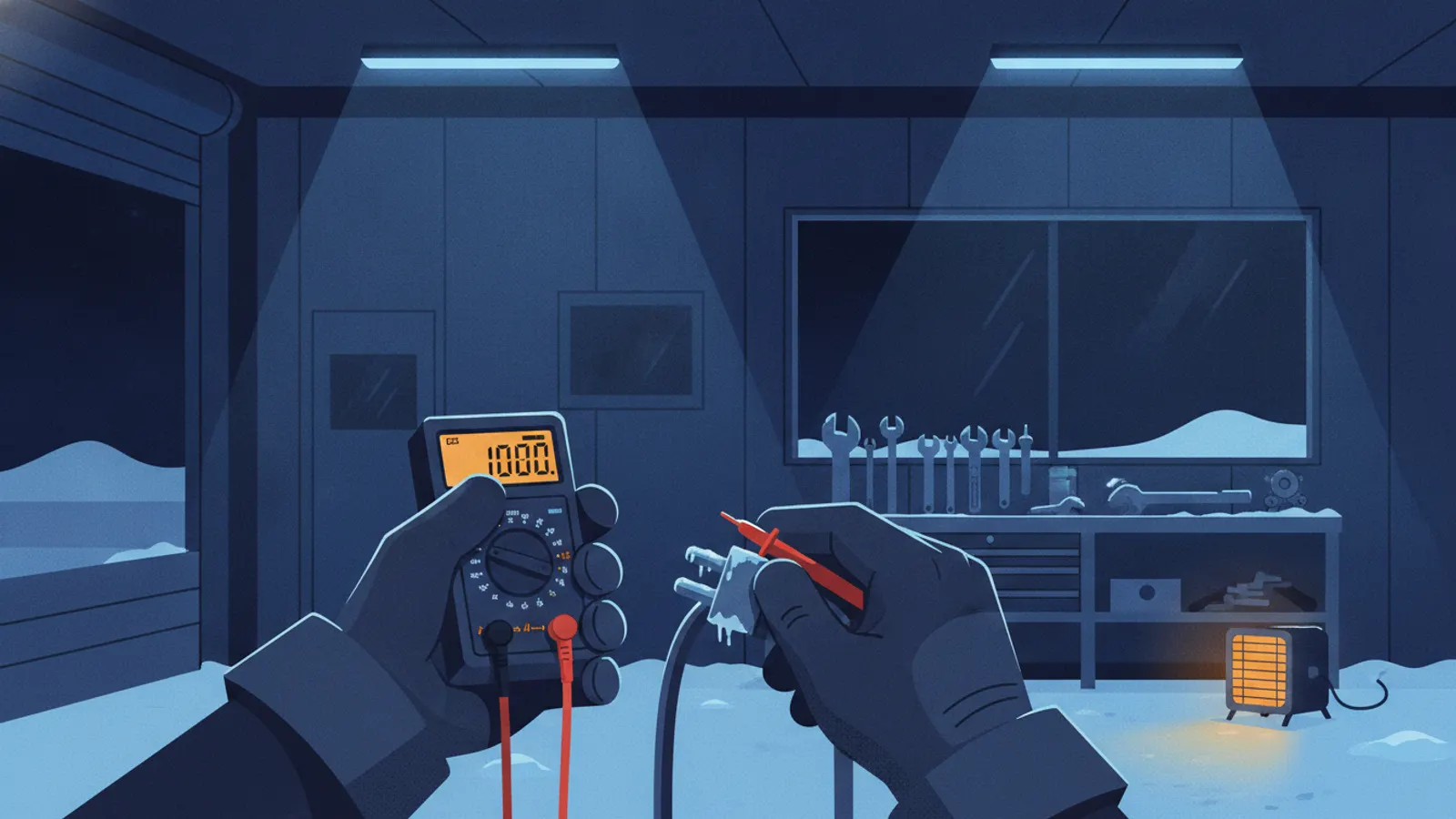
How to Test a Block Heater (Multimeter Guide)
The 5-minute multimeter test that tells you definitively whether your block heater works — plus the quick checks that don't need any tools.
Block Heater Cord Replacement: Identify the Right Cord
A missing or damaged cord does not always mean you need a new heater. Identify the installed heater, confirm its replacement cord number, and check the connector before ordering.
Block Heater Not Working? Diagnose It in 10 Minutes
Work from the wall to the element: outlet, timer, cord, connector, element. A step-by-step order that finds the fault fast — most fixes cost under $60.
Block Heater Tripping the Breaker or GFCI? Here's Why
A tripping GFCI means current is leaking somewhere it shouldn't. The three causes, how to isolate which one you have, and when it's the outlet's fault.
Block Heater Leaking Coolant: Serious or Simple?
Coolant under the block heater usually means an O-ring or seating problem — occasionally a cracked element. How to tell, what it costs, and whether you can drive.
Not sure what failed?
Use the quick identifier before buying a complete cord, or turn a multimeter reading into an estimated heater wattage.
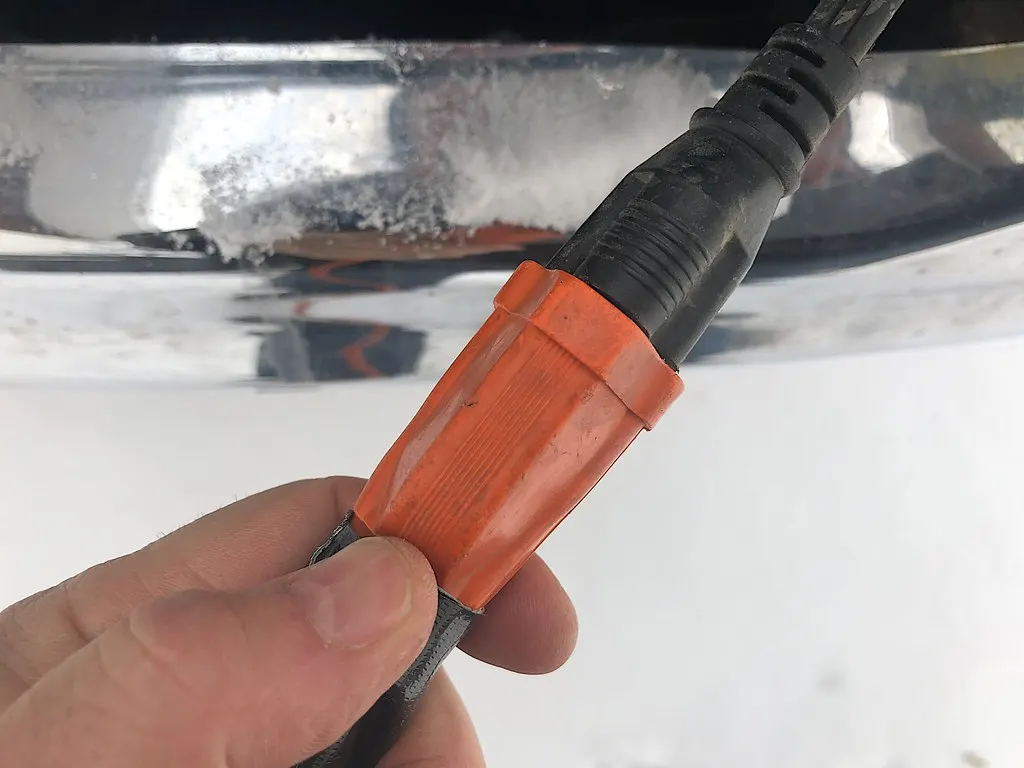
Model-specific heater and cord details
Before you order a replacement element or cord, check the fitment page for your vehicle — it lists the catalogued kit numbers, wattage, and where the factory cord is routed.